What is a Torii Tattoo?
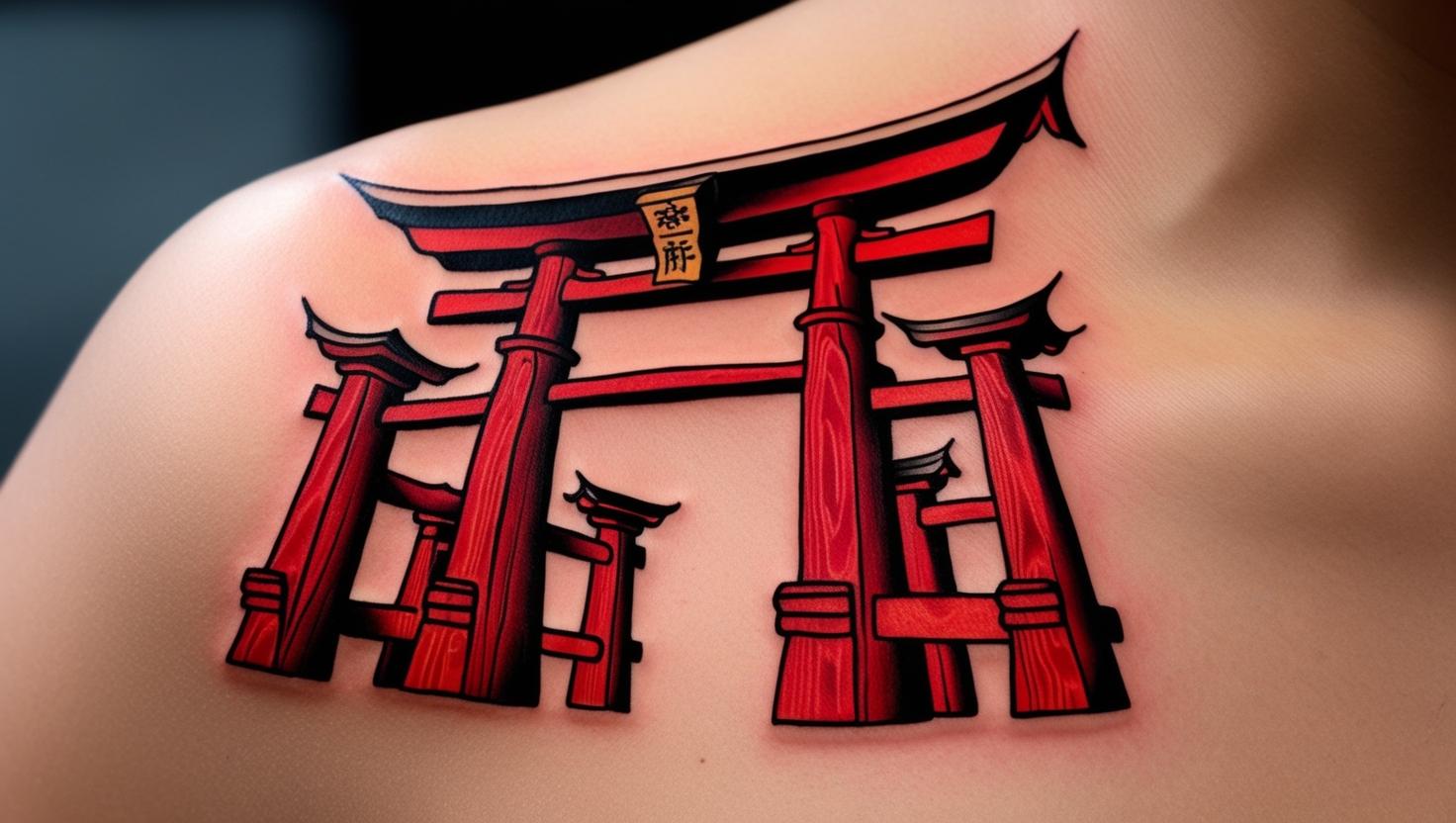
What is a Japanese Torii Gate Tattoo?
The Torii gate is one of the most iconic symbols in Japanese culture.
Traditionally found at the entrance to Shinto shrines, it marks the boundary between the physical world and the sacred realm of the kami (Shinto gods).
The presence of a torii gate signifies a place of spiritual importance, and passing through it is seen as a form of purification.
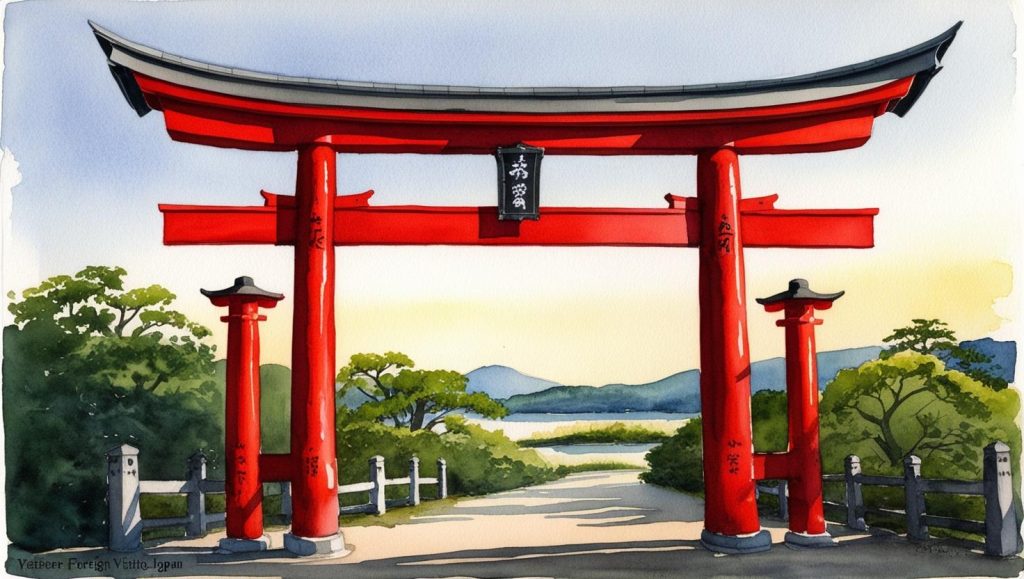
In Japan, torii gates come in various styles and colors, often painted in vibrant vermilion with black accents.
They stand not just as architectural features, but as profound representations of spiritual transition and respect for the divine.
How Did the Torii Become a Tattoo Design?
Over the years, the torii gate has evolved beyond its religious origins and has been embraced worldwide as a tattoo design rich in cultural depth.
For many people outside Japan, getting a torii tattoo is a way to honor Japanese traditions, spirituality, or personal journeys.
In the US, especially among those who practice mindfulness, Zen Buddhism, or have a deep interest in Asian cultures, Japanese torii gate tattoos are often chosen to represent ideas of transformation, protection, or spiritual awakening.
Bold lines, minimalist silhouettes, or scenic temple backgrounds are commonly featured in these tattoos.
Whether it’s etched on the upper arm, back, or forearm, this design continues to grow in popularity for its aesthetic grace and cultural meaning.
💡Pro Tip: If you’re considering a torii tattoo, it’s important to understand the cultural context—not just the visual appeal.
This helps you carry the symbol with respect and awareness, especially when visiting Japan.
Cultural and Spiritual Symbolism Behind Torii Tattoos
The Shinto Meaning of the Torii
In Japanese Shinto tradition, the torii gate represents a symbolic entrance into the sacred.
It is not merely a structure but a passageway that separates the mundane world from the realm of the kami — spiritual entities worshipped in Shintoism.
Standing beneath a torii is often associated with purification and the beginning of a spiritually meaningful journey.
This deep-rooted symbolism makes the torii a powerful choice for tattoos that aim to reflect inner change, personal growth, or a connection with something larger than oneself.
Representing Sacred Spaces and Spiritual Passage
A torii tattoo often symbolizes the wearer’s desire to cross into a “sacred space” — not just physically, but emotionally or spiritually.
People who have experienced transformation, healing, or awakening may choose a torii to represent the moment they left behind the past and embraced a new self.
In this way, the torii functions as a metaphor for personal rebirth, resilience, or reconnection with the divine.
This meaning resonates especially strongly with people who use tattoos as part of a spiritual or healing process.
Western Interpretation vs. Japanese Spiritual Context
In the West, the torii gate is often admired for its visual beauty and minimalistic elegance.
However, in Japan, its meaning is deeply spiritual, and many locals view it with reverence tied to religious tradition.
While it’s completely acceptable for foreigners to get a Japanese torii gate tattoo, it’s considered respectful to understand and acknowledge its origins.
Appreciation without appropriation is key — something increasingly valued by tattoo artists and wearers alike.
💡 Tip: If you’re planning to visit Japan with a torii tattoo, know that in certain places (like onsen or traditional shrines), tattoos may still be stigmatized.
That said, attitudes are gradually changing, especially in urban and tourist-friendly areas.
Design Ideas and Placement for Torii Tattoos
Traditional Torii Designs
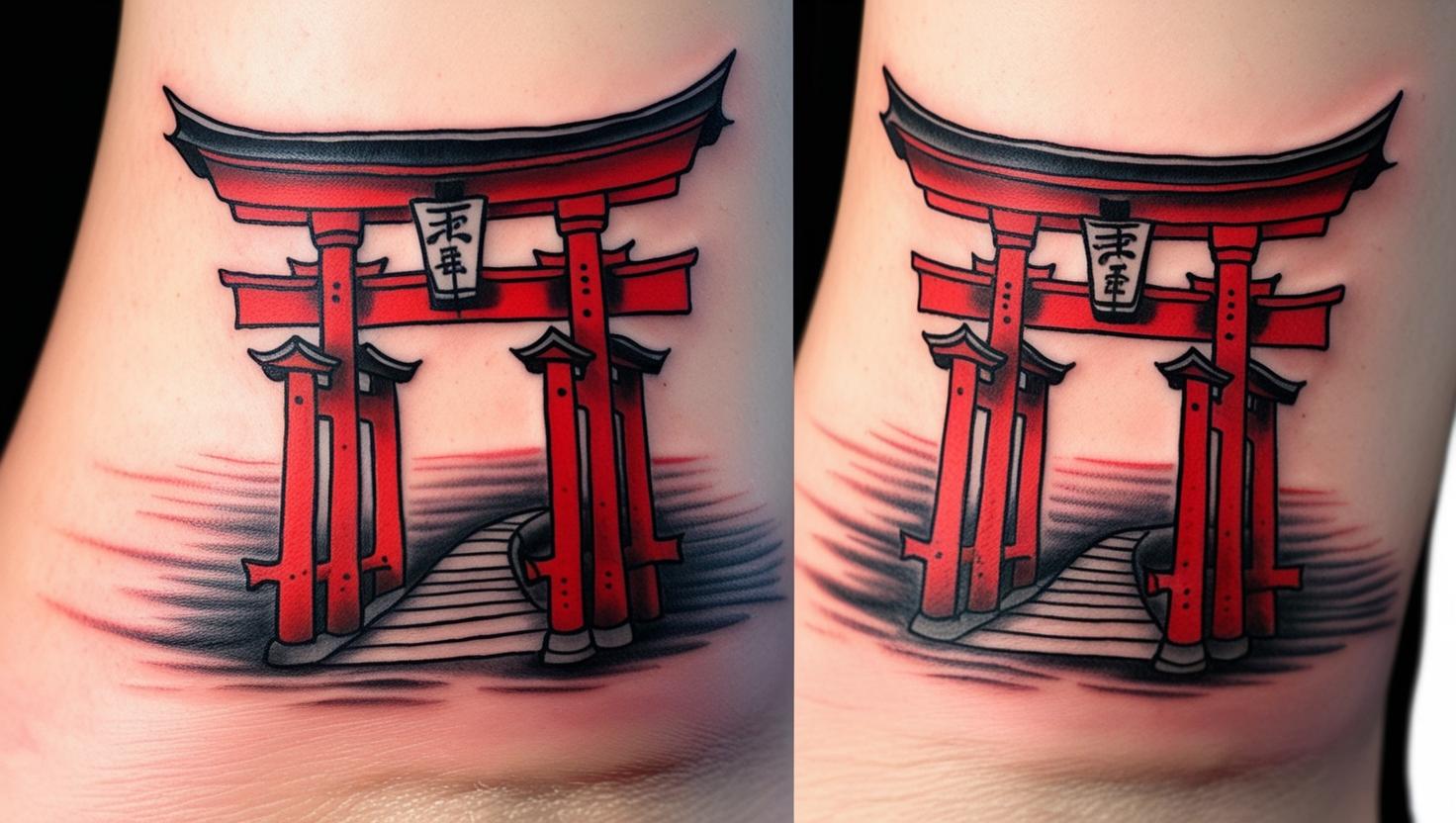
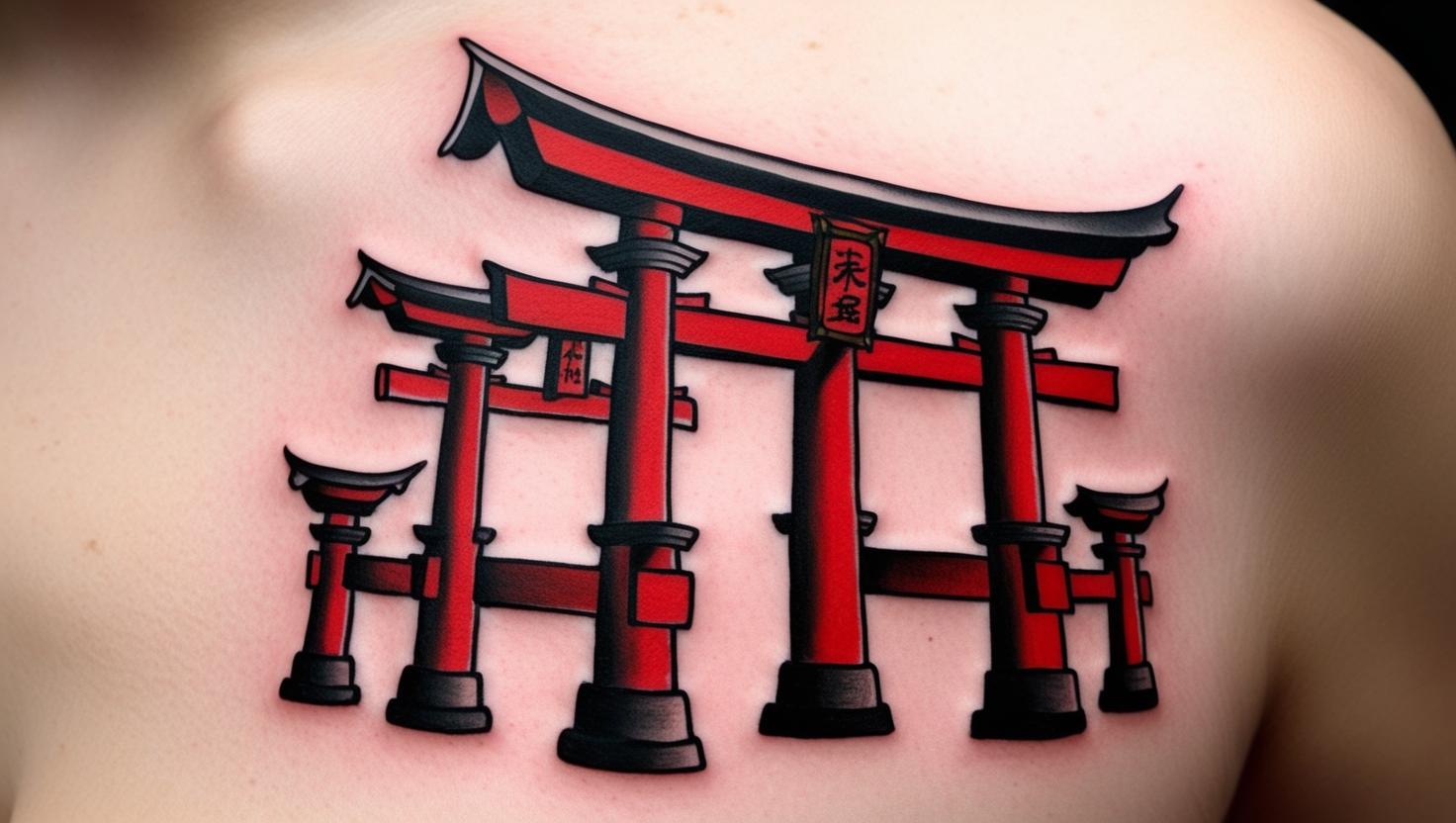
A traditional torii tattoo often mirrors the classic red-painted gate seen at famous Shinto shrines like Fushimi Inari in Kyoto.
These designs typically include clean, bold lines, with a distinct crossbeam and curved rooftop that give the torii its signature look.
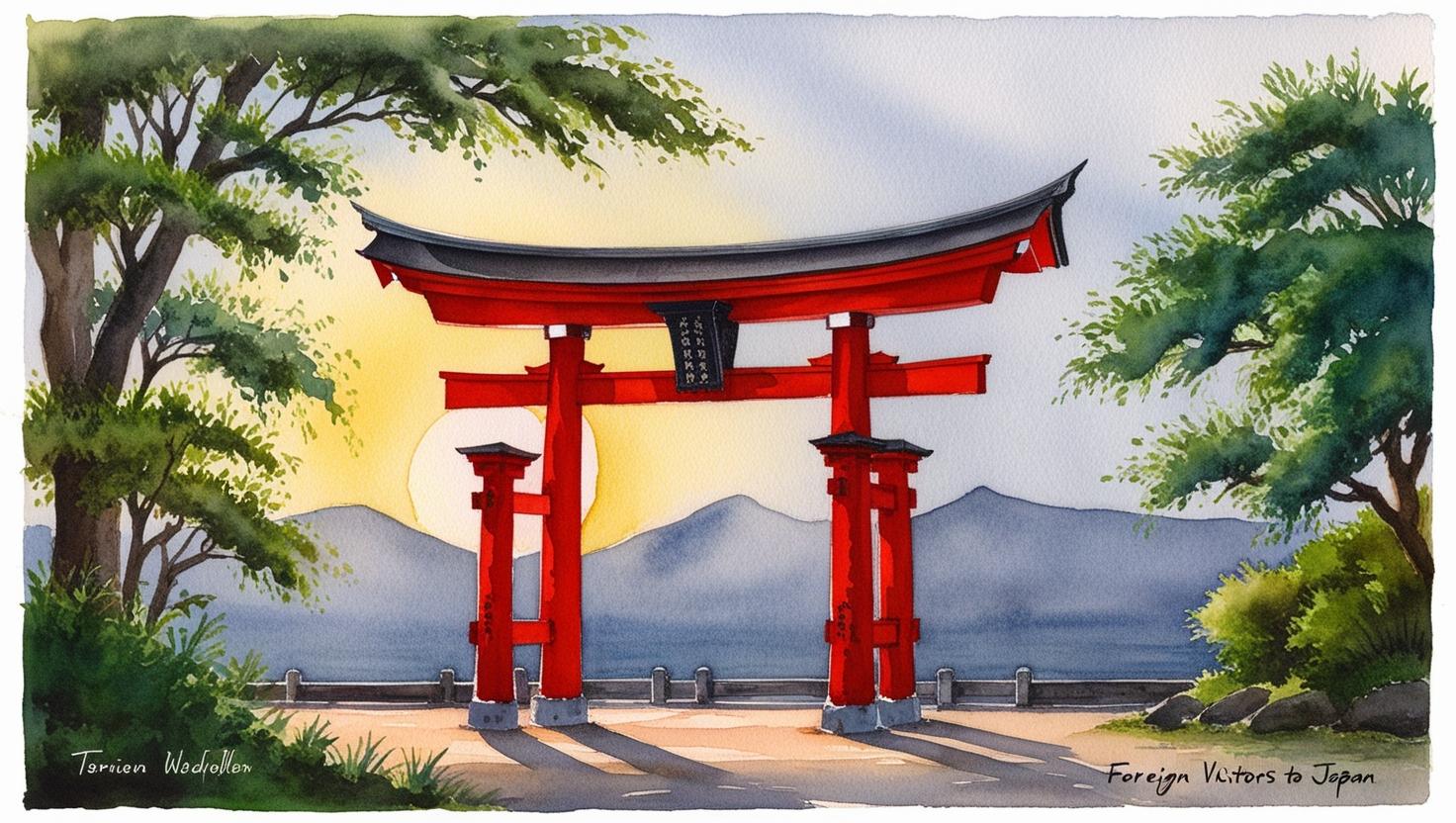
Some tattoos also feature subtle elements like clouds, mountains, or shrine lanterns to deepen the cultural context.
Such designs emphasize authenticity and respect for the original structure, appealing to those who want to honor Japanese heritage.
Modern Artistic Interpretations
Modern torii tattoos push creative boundaries by blending the gate with other symbolic elements.
Some popular combinations include:
- Torii + koi fish (symbolizing perseverance)
- Torii + cherry blossoms (beauty and impermanence)
- Torii in watercolor style (emotional, abstract expression)
These artistic interpretations make the design more personal and expressive, often reflecting a fusion of Japanese symbolism with Western tattoo aesthetics.
It’s a popular route for individuals who value both tradition and modernity.
Best Body Placements for Symbolic Impact
Choosing the right placement for your torii tattoo can enhance its meaning.
Here are some recommended placements and their symbolic associations:
| Placement | Symbolic Effect |
|---|---|
| Upper back | Spiritual protection, behind you like a gate to your past |
| Forearm | Visible daily reminder of transition and strength |
| Chest | Close to the heart, symbolizing inner transformation |
💡 Pro Tip: Consult with your tattoo artist about scaling and visibility.
A torii gate’s structure can lose its impact if placed in cramped or curved areas.





Respecting Japanese Culture When Getting a Torii Tattoo
What Foreigners Should Know About Cultural Sensitivity
Getting a Japanese torii gate tattoo can be a beautiful way to honor Japanese culture—but only when done with thoughtfulness and respect.
Torii gates hold religious significance in Shintoism, and while many Japanese people appreciate foreign interest, tattoos featuring sacred symbols should not be taken lightly.
It’s important to research the meaning and background of the torii before inking it permanently onto your body.
Cultural appreciation begins with understanding—not just aesthetics.
Misuse and Cultural Appropriation: What to Avoid
One common concern is the use of spiritual or sacred imagery purely for visual impact without understanding its deeper meaning.
This can lead to accusations of cultural appropriation, especially if the tattoo is stylized in ways that mock or misrepresent its original context.
Here are a few tips to avoid misuse:
- Don’t combine torii with inappropriate or unrelated symbols (e.g., skulls, flames, etc.).
- Avoid fictional or parody versions of the gate.
- Do not treat the torii as merely “cool Japanese art.” It’s more than that.
💡 Reminder: Just because a symbol is from another culture doesn’t mean it’s free for all to use without respect.
Tips for Honoring the Symbol Respectfully
If you’re set on getting a torii tattoo, here’s how to do it in a way that honors its origin:
- Consult with tattoo artists who specialize in Japanese-style tattoos or have experience with cultural symbols.
- Include other meaningful elements like landscapes, temples, or kanji that represent respect, peace, or spirituality.
- Learn about Shinto beliefs to understand the torii’s role within Japanese heritage.
Finally, consider discussing your idea with Japanese friends or cultural advisors.
It shows effort, and that effort goes a long way toward genuine appreciation.
Real Stories: Why People Choose Torii Tattoos
Tattoo Artists’ Opinions on Torii Designs
Many professional tattoo artists view torii tattoos as both technically beautiful and spiritually meaningful.
The structure’s balance and clean lines make it ideal for both minimalist and detailed styles.
Artists often say that clients who choose a torii design are looking for more than decoration—they’re seeking a symbol of personal transformation or spiritual passage.
One artist from Tokyo noted:
“When someone asks for a torii tattoo, it usually means they’ve gone through something big—like a change, a loss, or a new beginning.”
Interviews with Tattoo Bearers
People from all walks of life choose Japanese torii gate tattoos for deeply personal reasons.
Here are a few examples shared by tattoo enthusiasts:
- Emily (California): “For me, the torii represents a gateway to peace. I got it after overcoming anxiety.”
- James (New York): “I visited Fushimi Inari in Kyoto and it changed how I see the world. The tattoo is a reminder of that journey.”
- Lucas (Texas): “I’ve always admired Japanese culture. The torii is about respect and transformation.”
Spiritual and Personal Motivations
While some people are drawn to the design visually, most who choose a torii tattoo do so because it reflects something within.
Whether it’s a gateway to healing, a marker of emotional resilience, or a tribute to Japan’s spiritual beauty, the torii holds deep personal value for its wearers.
💡 Insight: Unlike trend-based tattoos, the torii often becomes a lifelong symbol—its meaning growing stronger over time as the wearer evolves.
Where to Get a Torii Tattoo in Japan
Visiting Japan for a Tattoo? What to Know
Japan is famous for its rich tattoo culture—but it also has a complicated relationship with tattoos, especially in traditional settings like hot springs and temples.
Still, Japan is home to many talented artists who welcome international clients with professionalism and care.
If you’re planning a tattoo session in Japan, it’s best to book in advance, understand the studio’s rules, and be clear about your design intent—especially for culturally significant tattoos like the torii gate.
Tattoo-Friendly Shops in Tokyo, Osaka, and Kyoto
Here are some popular tattoo studios in major cities that are known for their quality and openness to foreigners:
- Three Tides Tattoo (Osaka): One of Japan’s most well-known studios, combining traditional Japanese styles with modern flair.
- Horitaka Studio (Tokyo): A respected artist with deep roots in Irezumi culture and symbolism.
- Studio Muscat (Kyoto): Welcomes international clients and offers spiritually themed designs, including Japanese torii gate tattoos.
Discovering Matsunosuke: A Hidden Gem in Okayama
For those looking to explore beyond Japan’s major cities, consider visiting the peaceful port town of Tamano in Okayama Prefecture.
Just steps from Uno Station, you’ll find a unique tattoo studio called Matsunosuke.
Matsunosuke blends traditional Japanese aesthetics with modern tattoo techniques, making it an excellent choice for culturally meaningful tattoos like the torii.
The artist offers a calm and respectful environment, perfect for visitors seeking a more intimate and reflective tattoo experience.
💡 Why Choose Matsunosuke?
- Located near Seto Inland Sea—a spiritually inspiring setting
- Close to Naoshima and other art islands
- Ideal for travelers seeking a personal, non-touristy tattoo experience
Whether you’re on a cultural journey or simply want a meaningful design, Matsunosuke offers a quiet, artistic retreat from the busy urban tattoo scene.
Learn more about “Matsunosuke Tattoo Studio” in Okayama
Conclusion
Is a Torii Tattoo Right for You?
Choosing to get a torii tattoo is more than a design decision—it’s a personal statement.
Whether you’re drawn to its spiritual symbolism, architectural beauty, or cultural depth, a torii can represent your own passage through life’s sacred gateways.
Just remember: this iconic symbol carries weight.
Before inking it on your body, take time to understand its origins in Japanese Shinto culture and the meaning it holds for many people in Japan.
Embracing the Meaning, Not Just the Aesthetic
Tattoos that carry genuine meaning tend to stand the test of time.
If you’re considering a Japanese torii gate tattoo, do it with intention, awareness, and respect.
From large cities like Tokyo to coastal towns like Tamano—home of Matsunosuke studio—Japan offers not only skilled tattoo artists but also the cultural backdrop to make your tattoo truly meaningful.
💡 Final Tip: The best tattoos are not just beautiful; they are stories you carry with you. Let your torii tattoo be one worth telling.