
Getting to Naoshima from Major Cities
Naoshima is reachable from various major cities in Japan, including Tokyo, Osaka, Kyoto, and Hiroshima. Depending on your starting point, there are several efficient combinations of trains, ferries, and even flights to get you to the island. Below is a breakdown of the best routes from each city to help you plan your journey.
From Tokyo
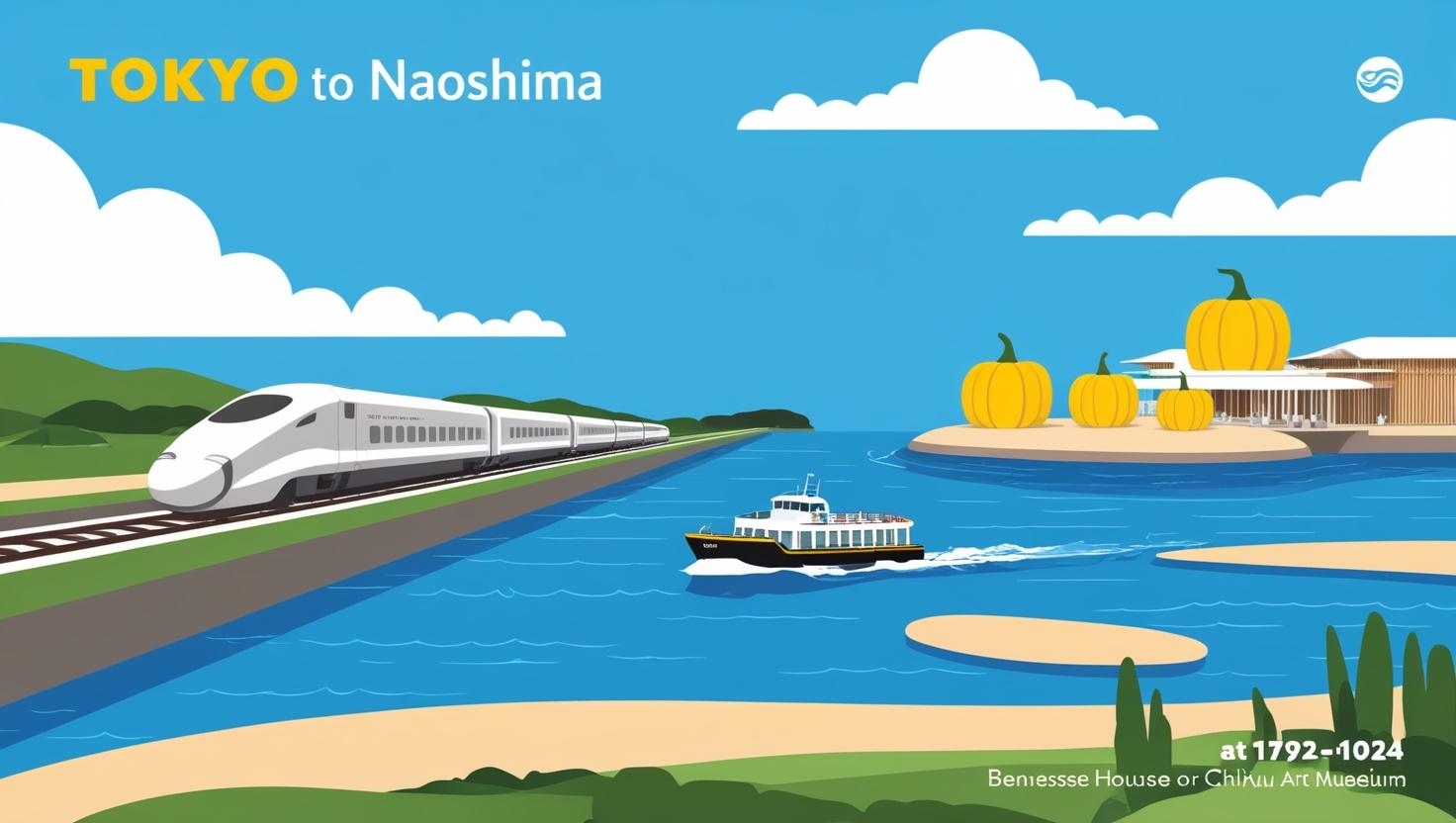
The most common route from Tokyo to Naoshima involves taking the Shinkansen to Okayama Station (approximately 3.5–4 hours), then transferring to the JR Uno Line to reach Uno Station. From there, it’s a short walk to Uno Port, where ferries depart for Naoshima.
- Tokyo → Okayama: via Nozomi or Hikari Shinkansen
- Okayama → Uno: 50–60 minutes via local train
- Ferry from Uno Port: 20 minutes to Miyanoura Port
Alternatively, travelers can fly from Tokyo Haneda or Narita Airport to Takamatsu Airport (about 1 hour), then take a local bus or taxi to Takamatsu Port for a ferry to Naoshima.
From Osaka / Kyoto
From Osaka or Kyoto, take the Shinkansen or local train to Okayama Station. Then follow the same route to Uno Port as from Tokyo. If you’re heading from Shin-Osaka, the journey to Okayama takes about 45 minutes via Shinkansen.
JR Pass holders can use their pass for all train segments except for Nozomi services, which are not covered.
From Hiroshima
From Hiroshima, take the Shinkansen to Okayama (about 1 hour), then transfer to the local JR Uno Line. This route is also JR Pass friendly. For travelers preferring the Takamatsu route, ferries from Shikoku may be more time-consuming depending on your location.
Getting to Naoshima from Uno Port
Naoshima, Japan’s renowned “art island” in the Seto Inland Sea, is accessible via two main ferry routes: from Uno Port in Okayama Prefecture or from Takamatsu Port in Kagawa Prefecture. Both routes offer efficient, scenic crossings that connect visitors to either Miyanoura Port or Honmura Port, the two main entry points on the island.
Here’s a quick comparison to help you choose the most suitable access route:
| Departure Port | Travel Time (from nearest major city) | Ferry Duration | Main Arrival Port | Best For |
|---|---|---|---|---|
| Uno Port | ~1 hour from Okayama Station | ~20 minutes | Miyanoura | Visitors from Tokyo, Osaka |
| Takamatsu Port | Central Takamatsu | ~50 minutes | Miyanoura / Honmura | Travelers already in Shikoku |
- Uno Port route is ideal for those coming from Honshu, especially via the Shinkansen to Okayama and onward local trains.
- Takamatsu route is more convenient for those staying in Shikoku or arriving via domestic flights into Takamatsu Airport.
Ferries are generally punctual and run multiple times daily. However, they may be suspended during rough weather, especially in winter. Always check the latest schedule online before traveling.
You don’t need to pre-book ferry tickets under normal circumstances—just buy them at the port. However, during major art events like the Setouchi Triennale, it’s best to arrive early to secure a spot.
Comparing Routes – Which is Best?
Time Efficiency
If you prioritize speed, the Uno Port route is typically faster, especially for travelers arriving from Tokyo, Osaka, or Kyoto. Shinkansen connections to Okayama are frequent, and the transfer to Uno Port is smooth.
Takamatsu can take longer, particularly if you’re not already in Shikoku or flying into Takamatsu Airport.
Cost Considerations
- Shinkansen + local train + Uno ferry = typically higher overall cost
- Domestic flight to Takamatsu + ferry = can be more affordable with low-cost airlines
- Both routes are compatible with the JR Pass (excluding Nozomi services)
Accessibility for First-Time Visitors
Uno route is easier to navigate for first-time visitors due to clearer signage and more frequent service. Uno Station and Port are small and walkable.
Takamatsu Port is larger and may require navigating bus connections or walking from JR Takamatsu Station, but signage is multilingual and staff are generally helpful.
Pro tip: If you are traveling with large luggage or in a group, Uno route tends to be more convenient due to easier access from major cities and fewer transfers.
Local Transport on Naoshima
Bus System
Naoshima offers a small but functional local bus system operated by the town. Buses connect Miyanoura Port, Honmura, and the Benesse Art Site, including stops near Chichu Art Museum and Lee Ufan Museum.
- Flat fare: ¥100 per ride
- Frequency: every 30–60 minutes
- Note: Buses may be crowded during peak tourist seasons
Bike Rental
Bicycles are one of the best ways to explore Naoshima. Rentals are available at Miyanoura Port and Honmura, with both manual and electric options.
- Standard bike: ¥500–¥1,000/day
- Electric bike: ¥1,500–¥2,000/day
- Helmets usually included; advance reservations recommended during holidays
Luggage Storage
Coin lockers are available at Miyanoura Port and some museums. Larger suitcases can be stored at local rental shops or guesthouses. Many visitors store luggage and use bikes to tour freely.
Tip: Naoshima’s roads are hilly in parts. If you’re not comfortable with steep climbs, opt for an electric bicycle or use the local bus.
Pro Travel Tips
When Ferries Are Canceled
Strong winds or typhoons can lead to ferry cancellations, especially during the winter season. Always check the official ferry operator’s website or local tourist information centers before you travel. If you’re already on the island, ask your accommodation for the latest updates.
Tip: Schedule some buffer time in your itinerary in case you need to adjust plans due to weather.
Booking Accommodations Near Ferry Terminals
Staying near Miyanoura Port or Honmura ensures easy arrival and departure, especially for early or late ferries. These areas also offer bike rentals, restaurants, and convenient access to art sites.
- Guesthouses and hostels: budget-friendly, often walkable from the ports
- Benesse House: includes museum access and exclusive views
Visiting During Setouchi Triennale
Naoshima is one of the main islands featured in the Setouchi Triennale, held every three years. Visitor numbers surge during this period, so book your ferry, accommodation, and museum tickets well in advance.
Important: Some art sites require advance reservation even outside the festival period. Check the Benesse Art Site Naoshima official website for updated policies.
Sample Itinerary for Arrival Day
Morning Arrival from Tokyo or Osaka
If you leave Tokyo or Osaka early in the morning, you can arrive at Naoshima before noon. Here’s a sample timeline for reference:
- 06:00 – Depart Tokyo via Shinkansen (or 07:00 from Osaka)
- 09:30 – Arrive at Okayama Station, transfer to local JR Uno Line
- 10:40 – Arrive at Uno Station, walk to ferry terminal
- 11:00 – Ferry departs for Naoshima
- 11:20 – Arrive at Miyanoura Port
Quick Lunch and Afternoon Museum Visit
After arriving, drop off your luggage at coin lockers or your accommodation. Then enjoy a quick lunch near the port—local cafés offer fresh seafood, curry, or udon noodles.
- 12:00 – Rent a bike or take a bus to Chichu Art Museum
- 13:00 – Visit Chichu Art Museum (reserve in advance)
- 14:30 – Walk or bike to Benesse House Museum
- 16:00 – Optional visit to Lee Ufan Museum or outdoor artworks
- 17:00 – Return to Miyanoura, check-in to your accommodation
Tip: If you only have one day, prioritize the Chichu Art Museum and Benesse House, as they are the highlights of the island. Be mindful of last ferry departure times when planning your return.
Conclusion
Summary of Optimal Routes
Whether you’re coming from Tokyo, Osaka, Kyoto, or Hiroshima, Naoshima is accessible within half a day by combining train, ferry, and possibly flight. For most visitors, the Uno Port route offers the fastest and most straightforward access. Meanwhile, the Takamatsu route provides flexibility and is ideal for those traveling in Shikoku.
Ferry services are frequent and affordable, but always check weather conditions before traveling. Booking accommodation near the ports and renting a bike in advance can make your trip smoother.
Final Advice for Stress-Free Access
- Use the JR Pass for cost efficiency
- Opt for electric bikes if you plan to explore extensively
- Book art museums in advance, especially during Setouchi Triennale
- Travel light – take advantage of luggage storage at ports
- Download offline ferry timetables in case of poor signal
With a bit of planning, visiting Naoshima can be seamless, enriching, and full of unforgettable art and scenery. Enjoy your trip to Japan’s most creative island!
Heading to Naoshima for art? Make your visit unforgettable with a custom tattoo from Matsunosuke near Uno Port.
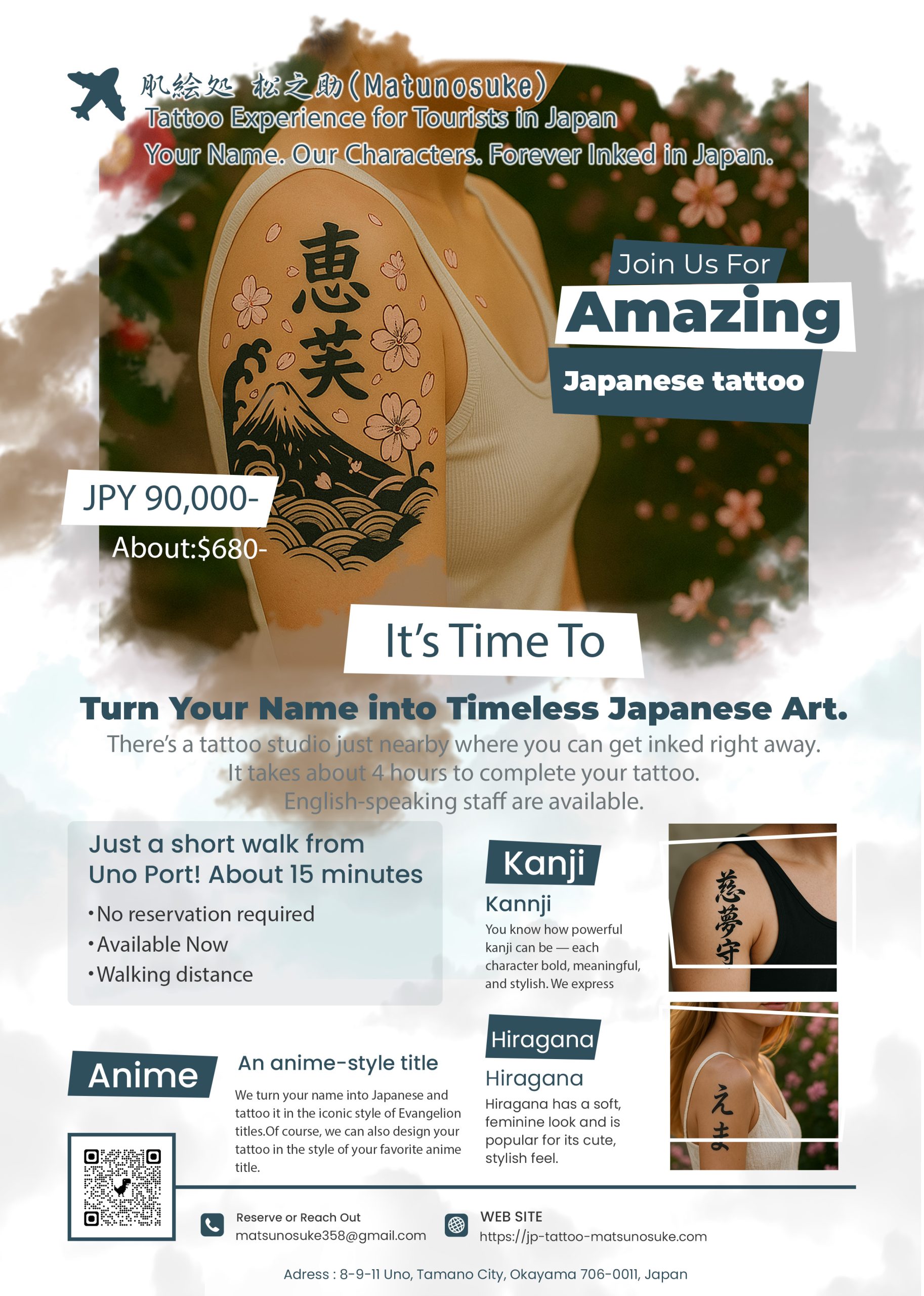
For booking and inquiries, please see the information below.